0
No products in the cart.

Creatine for Women Over 50: The Daily Habit That Helped Me Train for the Salkantay Trek at 51

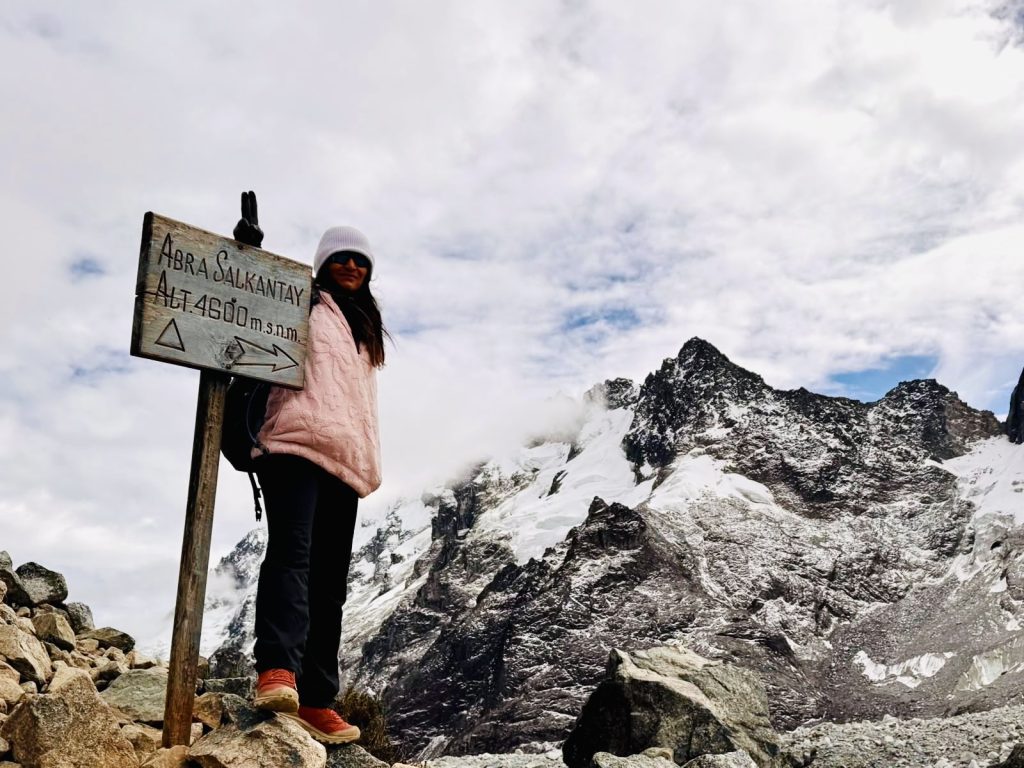
At 51, I completed the five-day Salkantay Trek to Machu Picchu.

Even as I write that sentence, I have to pause for a moment.

There were days during the trek when my legs felt heavy, the altitude made every step more deliberate, and the path ahead seemed to keep climbing. There were cold mornings, long hours on my feet, changing weather and moments when I had to focus only on the next step—not the number of miles still ahead.

Then there were moments that made every difficult step worth it.

The mountain views. The quiet. The conversations along the trail. The feeling of being very small in such an enormous landscape.

And finally, arriving at Machu Picchu with the knowledge that my 51-year-old body had carried me there.

People see the destination and call it an accomplishment.

For me, the greater accomplishment was becoming physically and mentally prepared enough to take on the journey.

That preparation did not happen in Peru.

It happened during the months before the trek, through strength training, hiking, nutrition, recovery and the small habits I repeated even when life was busy.

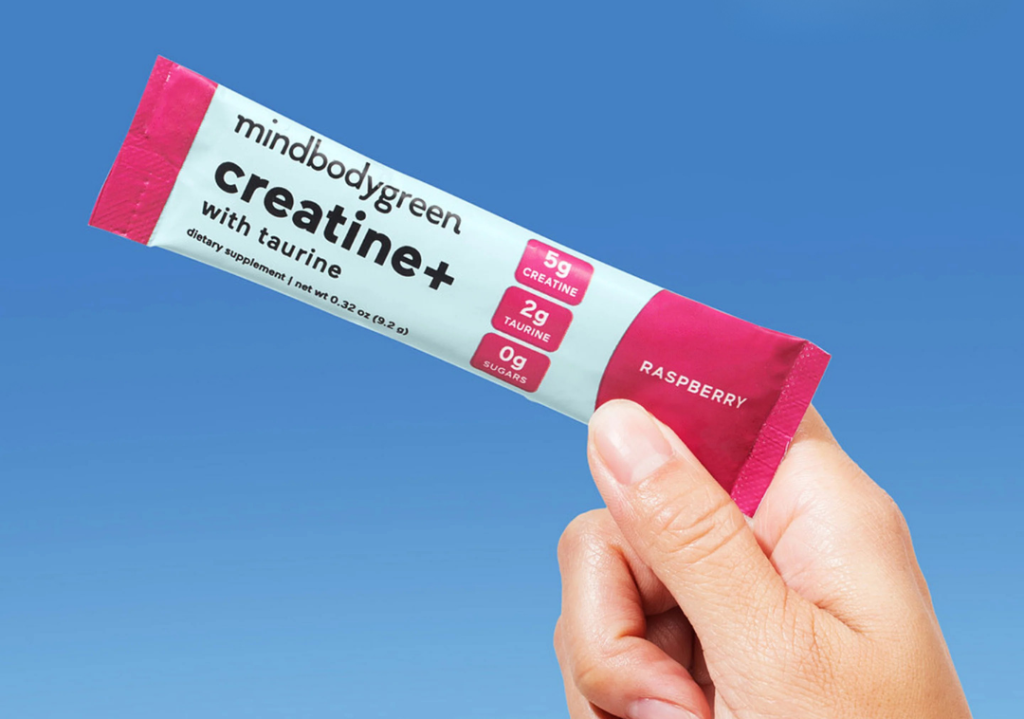
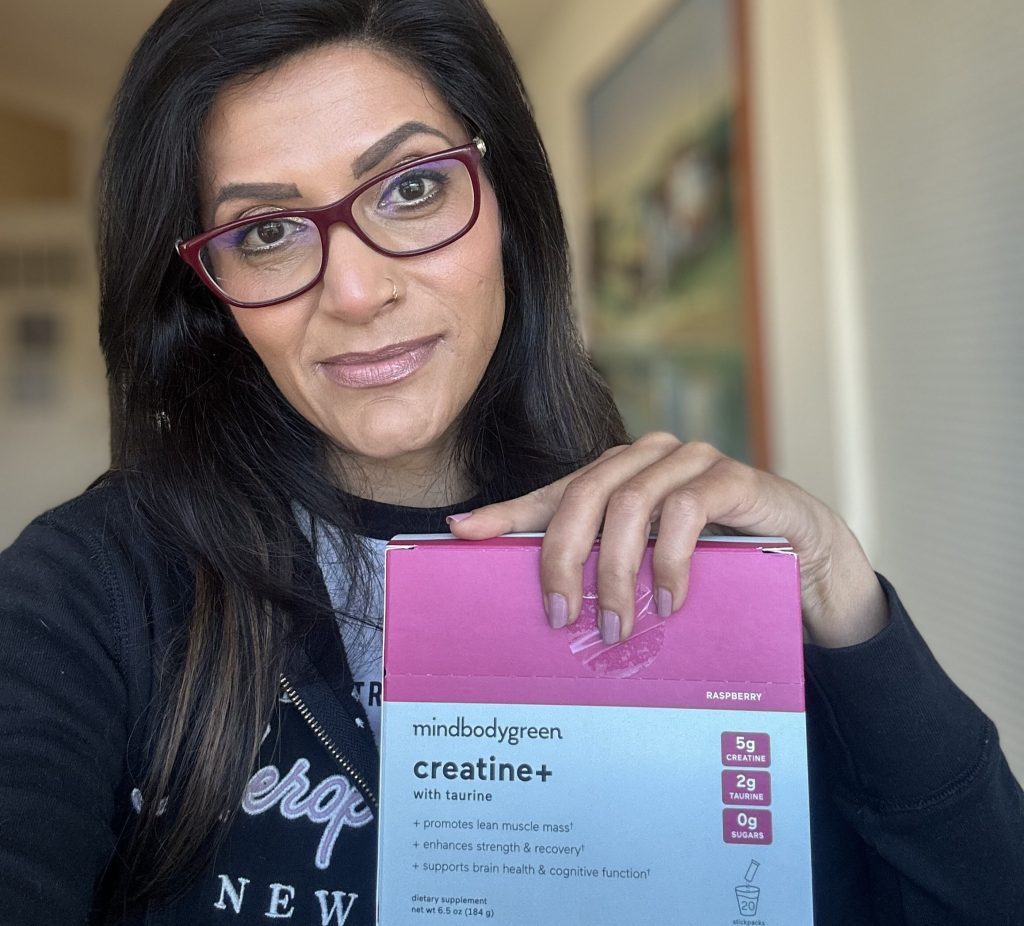
One of those habits was taking mindbodygreen Creatine with Taurine+ every day.

If you’re curious, this is the Creatine with Taurine+ I personally use every day. You can save 25% with my personalized link.

Why I Started Thinking Differently About Creatine

For a long time, I associated creatine with male bodybuilders, professional athletes and people trying to gain a significant amount of muscle.

I did not think of it as something for a woman in her fifties.

I certainly did not think of it as part of a healthy-aging routine.

Like many women, I was more familiar with messages telling us to eat less, weigh less and take up less space. We are often encouraged to focus on shrinking our bodies rather than strengthening them.

My perspective has changed.

At this stage of my life, I am not interested in becoming smaller at the expense of becoming weaker.

I want lean, functional muscle.

I want to carry my own luggage when I travel.

I want to walk confidently on uneven ground.

I want to climb mountains, complete challenging hikes and remain independent as I grow older.

I want enough mental energy to manage a demanding professional career and still have something left for my personal goals.

That is why maintaining muscle and supporting my daily energy became much more important to me than chasing a number on a scale.

What Creatine Actually Does

Creatine is a compound that the body produces naturally and stores primarily in skeletal muscle. It helps replenish adenosine triphosphate, or ATP, which cells use for quick energy.

This is one reason creatine has traditionally been associated with activities such as lifting weights, sprinting and other short, intense efforts.

However, the conversation around creatine is becoming broader.

Researchers are increasingly examining its possible role in women’s health, healthy aging, cognition and the menopausal transition—not only athletic performance.

A 2025 review of creatine across women’s life stages found evidence supporting potential benefits for exercise performance, strength and body composition, particularly when supplementation is paired with resistance training. The authors also noted emerging—but not yet definitive—research concerning cognition, mood and women’s health during and after menopause.

That last point matters.

Creatine is not a replacement for training. It may help support the work, but it does not perform the work for us.

Why Creatine May Be Especially Relevant for Women

Women have historically been underrepresented in sports-nutrition research, and creatine research is no exception.

A review focused on women’s health reported meaningful physiological differences in creatine metabolism between women and men. The authors also discussed how hormonal changes throughout the female lifespan may influence creatine synthesis, storage and utilization.

That does not mean every woman will experience the same outcome from supplementation.

It means we need more research designed specifically around women rather than assuming that findings from male study populations apply identically to us.

The current evidence is promising, but it is also nuanced.

A 2025 systematic review of physically active women found that research quality and study designs varied, reinforcing the need for better female-specific trials.

For me, the takeaway is not that creatine is a miracle supplement.

The takeaway is that women deserve to be part of the creatine conversation.

Creatine, Lean Muscle and Strength After 50

Strength becomes increasingly valuable as we age.

Muscle supports far more than appearance. It contributes to balance, mobility, bone-loading exercise, glucose metabolism, everyday function and our ability to keep doing the activities we love.

My goal is not simply to look fit in a photograph.

I want my muscles to work for me.

I want strong legs for steep descents.

I want a stable core when I am carrying a backpack.

I want enough strength to recover when I lose my footing on an uneven trail.

I want my body to remain capable.

Recent evidence in postmenopausal women suggests that creatine may provide modest improvements in lean mass and strength, particularly when it is combined with resistance training. A 2026 systematic review and meta-analysis found small gains in lean mass and leg-press strength, while effects on bone density remained unclear.

That distinction is important.

Creatine did not replace the resistance training in those studies. The most relevant benefits were associated with using it alongside training.

That reflects my own approach.

I do not take Creatine with Taurine+ and expect muscle to appear.

I strength train.

I eat protein.

I hike.

I prioritize recovery when I can.

The supplement is one part of that larger foundation.

How Creatine with Taurine+ Fits Into My Routine

I am an engineering executive, nutrition and wellness professional, content creator, traveler and amateur mountaineer.

Some days, those roles fit together beautifully.

Other days, they compete for every available hour.

I needed a supplement routine that was uncomplicated enough to follow consistently. I did not want something that required a perfect schedule or a complicated sequence of steps.

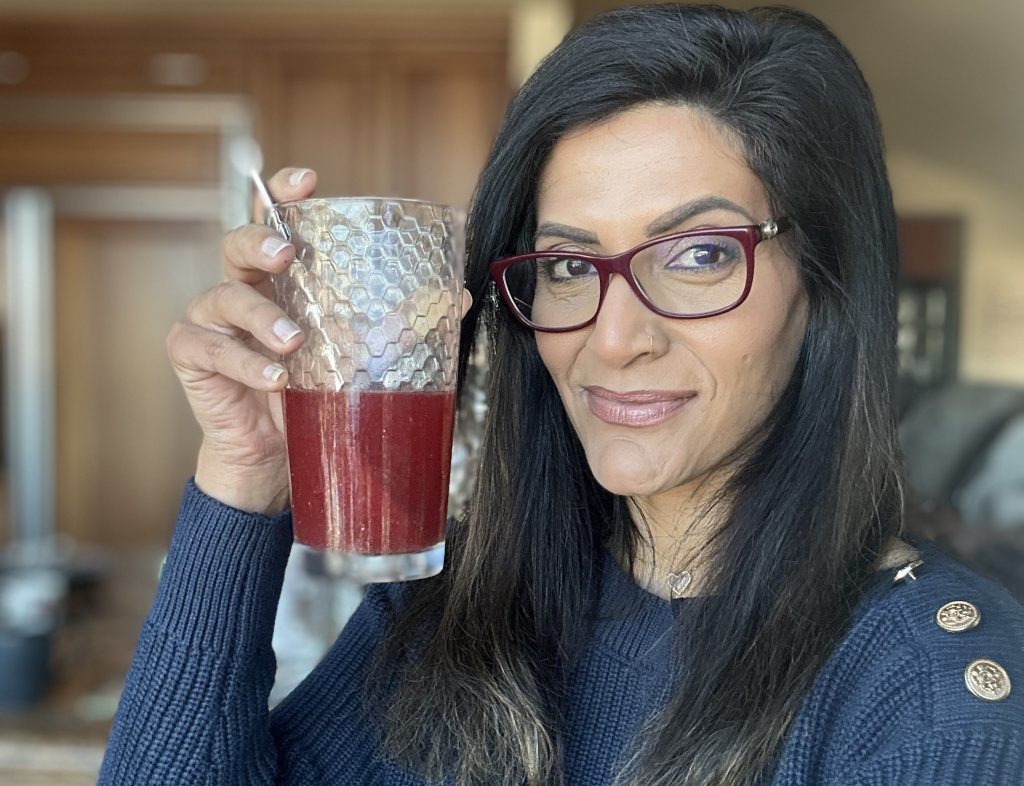
I take mindbodygreen Creatine with Taurine+ daily.

I think of it as a consistency product rather than a quick-performance product.

I am not taking it only on the morning of a difficult hike and expecting it to create instant endurance. I use it as part of the routine that supports my training over time.

In my own experience, I have noticed better support for lean, strong muscle, less muscle fatigue during periods of consistent use and improved focus during demanding days.

Those observations are personal.

They are not a promise that everyone will experience the same results.

They are simply the reasons I have continued making it part of my routine.

What About Mental Focus?

One reason I was drawn to this particular formula was the combination of creatine and taurine.

My life requires physical energy, but it also requires sustained mental attention.

A mountain trek demands focus because one distracted step on loose or uneven terrain can matter.

My professional life demands a different kind of focus—strategic thinking, decision-making, problem-solving and the ability to move between complex topics throughout the day.

Creatine plays a role in cellular energy metabolism in both muscle and the brain. Research examining creatine and cognition in older adults is encouraging, especially in areas such as memory and attention, but the overall evidence is still limited and more high-quality clinical trials are needed.

Research specific to women in perimenopause and menopause is also developing.

A small randomized trial involving perimenopausal and menopausal women reported improvements in certain cognitive measures with one form and dose of creatine, but the study included only 36 participants and did not test the exact product I use. It should therefore be viewed as early evidence rather than a guarantee.

That is why I am careful with my wording.

I can say that I feel more focused when my nutrition, movement, sleep and supplement habits are consistent.

I cannot say that one supplement will eliminate brain fog or produce the same mental effects for every woman.

Preparing for the Salkantay Trek at 51

A trek like Salkantay is not something I would recommend approaching with supplements alone—or with enthusiasm alone.

You need preparation.

My training focused on building the kind of strength and stamina that would transfer to the trail.

That included:

  • Resistance training for my legs, glutes and core
  • Cardiovascular conditioning
  • Regular hiking and time on my feet
  • Training on inclines and uneven surfaces
  • Carrying a backpack
  • Eating enough protein and overall calories
  • Staying hydrated
  • Prioritizing sleep and recovery
  • Practicing consistency rather than depending on motivation

There were weeks when my preparation felt strong.

There were also weeks when work became demanding, travel disrupted my schedule or my body needed more recovery.

I learned not to treat one imperfect day as a failed plan.

I simply returned to the routine.

That mindset was just as useful on the mountain.

During a difficult climb, I did not need to feel perfect.

I needed to keep moving.

What the Trek Taught Me About Aging

The Salkantay Trek reminded me that aging is not a single, downward path.

Yes, our bodies change.

Recovery may require more attention.

Muscle becomes something we must intentionally protect.

Sleep, hormones, stress and nutrition can all feel different than they did in our twenties or thirties.

But age can also bring patience, discipline and a deeper understanding of why we are doing something.

At 51, I know I am not training for punishment.

I am training for possibility.

I train so that when an opportunity for adventure appears, my answer does not have to be, “My body can’t do that anymore.”

I want my answer to be, “Let me prepare.”

That is what strength means to me now.

It is not just how much weight I can lift.

It is having choices.

Will Creatine Make Women Bulky?

This is one of the most common concerns I hear from women.

Creatine does not automatically create a bulky physique.

Significant muscle development requires progressive resistance training, adequate nutrition, time and individual genetic factors. Creatine may support training capacity and lean mass, but it does not suddenly transform a woman’s body into a bodybuilder’s physique.

Some people notice a small increase in scale weight after beginning creatine. Creatine can increase the amount of water stored within muscle cells. That is different from gaining body fat.

Personally, I would rather judge my progress by how strong and capable I feel than become overly focused on a temporary number on the scale.

Do Women Over 50 Need Creatine?

No supplement is universally necessary.

Creatine may be worth discussing with a qualified healthcare professional when a woman’s goals include:

  • Supporting resistance training
  • Preserving or building lean muscle
  • Improving high-intensity exercise capacity
  • Maintaining physical function with age
  • Supporting an active lifestyle
  • Exploring possible cognitive benefits while understanding that the evidence is still developing

Exercise remains the foundation.

A recent review examining nutritional supplementation alongside exercise in women concluded that exercise itself provides reliable musculoskeletal benefits, while the additional effects of supplements vary by intervention and outcome.

I appreciate that conclusion because it reflects a responsible message:

Take the supplement if it is appropriate for you, but do not skip the work that gives the supplement something to support.

Is Creatine Safe?

Creatine monohydrate is one of the most extensively researched sports supplements, but individual circumstances still matter.

People with kidney disease, those who are pregnant or nursing, those taking certain medications, or anyone managing a medical condition should speak with their physician or qualified healthcare provider before starting a creatine supplement.

It is also important to read the actual product label rather than relying on a general dose found online. Formulas can differ, especially when creatine is combined with other ingredients.

More is not automatically better.

I follow the labeled serving for my product and treat it as part of my overall health routine—not as a substitute for professional medical guidance.

The Real Meaning of Reaching Machu Picchu

When I finally reached Machu Picchu, I felt proud.

Not because I had defeated a mountain.

Mountains do not need to be defeated.

I felt proud because I had kept a promise to myself.

I had trained.

I had prepared.

I had continued through discomfort.

And I had allowed myself to believe that 51 was not too late for a major physical goal.

That feeling cannot be measured on a scale.

It cannot be contained in a supplement container.

And it cannot be created by a motivational quote alone.

It comes from repeatedly showing yourself that you are willing to participate in your own future.

Start With Your Version of the Mountain

Your mountain does not have to be Salkantay.

It might be taking your first strength-training class.

It might be walking for 20 minutes without stopping.

It might be learning how to eat enough protein.

It might be rebuilding strength after an illness, injury or difficult season.

It might be starting over at 40, 50, 60 or beyond.

Do not dismiss the small beginning.

Five days in the Andes began with one training session.

Then another.

Then another.

The glamorous photograph came last.

The quiet daily work came first.

My Final Thoughts on Creatine with Taurine+ for Women Over 50

I do not believe one product is responsible for completing the Salkantay Trek.

My training carried me.

My preparation carried me.

My mindset carried me.

The support and encouragement around me carried me.

But mindbodygreen Creatine with Taurine+ became one of the consistent tools I used to support my goals for lean muscle, strength and focus.

That is why I continue to use it.

Not because I am trying to become someone else.

Because I want to keep becoming a stronger version of myself.

At 51, I am not winding down.

I am building the strength for whatever mountain comes next.

Want to Know Which Creatine with Taurine+ I Use?

I use mindbodygreen Creatine with Taurine+ as part of my daily health and training routine.

Leave a comment with the word TAURINE+ or send me a direct message, and I will share my personalized shopping link with you.

I am also happy to share how I personally incorporate it into my routine.

This article describes my personal experience and is for educational purposes only. It is not medical advice, and individual results may vary. Consult your physician or another qualified healthcare professional before beginning a new supplement.

Disclosure: This article may contain an affiliate link. If you purchase through my personalized link, I may receive a commission at no additional cost to you.

Written by: Nishi Bhonsle

Leave a Reply